
In the vibrant and competitive world of conventions and exhibitions, where companies strive to stand out amidst a multitude of competitors, LED displays have emerged as a transformative force. These cutting – edge visual solutions are reshaping the way businesses engage with attendees, present their products and services, and leave a lasting impression.
Eye – Catching Visual Impact
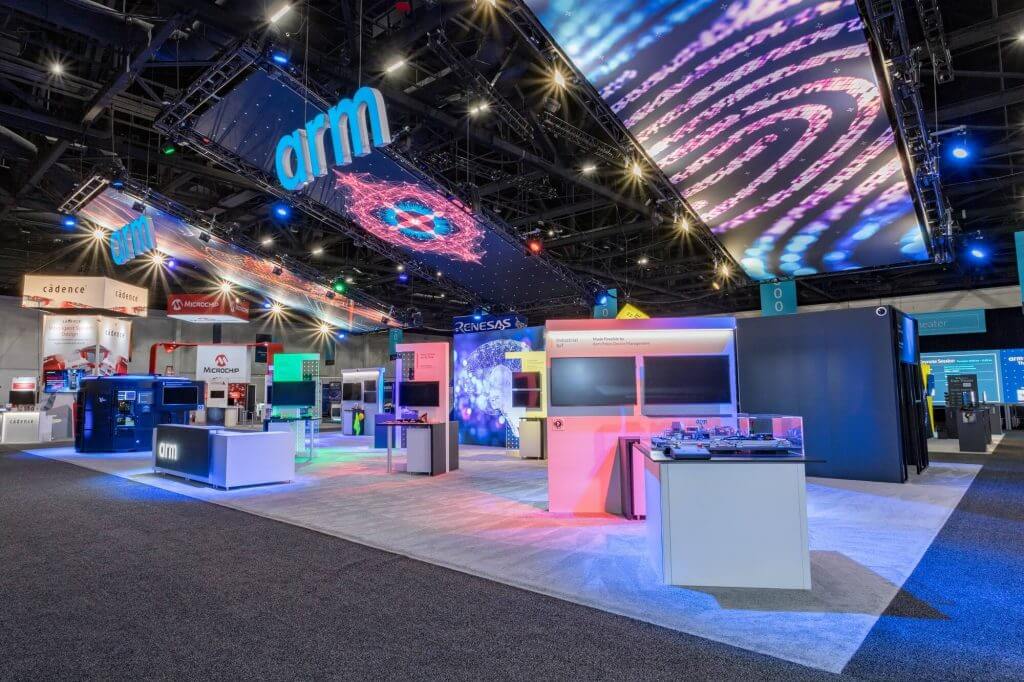
One of the most significant advantages of LED displays at conventions and exhibitions is their ability to create an immediate and powerful visual impact. With high – resolution capabilities, LED screens can showcase stunning images, videos, and animations with exceptional clarity and vivid colors. In a large exhibition hall filled with numerous booths, a massive LED wall can act as a focal point, drawing in crowds from far away. For example, a technology company launching a new product can use an LED display to present a high – definition video that highlights the product’s innovative features and sleek design. The bright and sharp visuals can capture the attention of passers – by, encouraging them to stop and learn more.
Versatile Content Presentation
LED displays offer unparalleled versatility when it comes to content presentation. Companies can tailor the content to suit different stages of the convention or target specific audience segments. During the opening hours, the display might feature an engaging brand video that tells the company’s story and showcases its core values. As the day progresses, it can switch to real – time data feeds, such as live social media mentions related to the event or industry trends. This dynamic content delivery keeps the booth fresh and relevant, ensuring that attendees are continuously engaged. Moreover, LED screens can be divided into multiple sections, allowing for the simultaneous presentation of different types of content, such as product demonstrations on one side and customer testimonials on the other.
Enhanced Interactivity
Interactive LED displays take the convention experience to a whole new level. By incorporating touch – screen technology, motion sensors, or even virtual reality (VR) elements, they enable attendees to actively engage with the brand. For instance, a gaming company can set up an interactive LED gaming station where visitors can play demo versions of their latest games. The touch – screen interface allows for intuitive gameplay, while the large LED screen provides an immersive visual experience. Motion – sensing LED displays can also be used to create interactive installations. For example, a display that responds to the movement of attendees, changing the visuals or triggering special effects, can create a fun and memorable experience.
Space Optimization
In convention and exhibition settings, where space is often a precious commodity, LED displays offer excellent space optimization. Unlike traditional static displays that can be bulky and take up a significant amount of floor space, LED screens can be mounted on walls, suspended from ceilings, or integrated into the booth structure. This not only frees up valuable floor space for other exhibition elements but also creates a more open and inviting booth layout. Additionally, LED displays can be curved or shaped to fit unique booth designs, adding a touch of modernity and sophistication.
Cost – Effectiveness in the Long Run
Although the initial investment in LED displays may seem high, they offer cost – effectiveness in the long run. LED technology is energy – efficient, consuming less power compared to traditional display systems. This can result in significant savings on electricity bills over the course of multiple conventions and exhibitions. Moreover, LED displays have a long lifespan, reducing the need for frequent replacements. They can also be easily updated and repurposed for different events, making them a sustainable and economical choice for businesses.
In conclusion, LED displays have become an essential tool for companies participating in conventions and exhibitions. Their ability to create a visually stunning impact, present versatile content, enhance interactivity, optimize space, and offer long – term cost – effectiveness makes them a valuable asset in the quest to stand out and succeed in the competitive world of events.